
When you decide to stop using substances like alcohol, opioids, or benzodiazepines, your body goes through a challenging readjustment period known as withdrawal. This is where medical detox comes in. Understanding what is medical detox is the first step toward a safe recovery, especially for those in Newport Beach, CA, seeking professional care. It is a professionally supervised process designed to manage the physical symptoms of withdrawal safely and comfortably, creating a stable foundation for the deeper therapeutic work ahead.
This content is informational and not medical advice.
Understanding Medical Detox: Your First Step to Recovery
When a person with a substance use disorder stops using, their body often protests. Medical detox provides a safe, controlled environment where this entire process is managed by experienced clinical professionals. The goal isn't to "cure" addiction overnight, but to ensure your physical safety and minimize discomfort. Attempting to manage withdrawal on your own can lead to severe health complications and, depending on the substance, can be fatal.

The Core Components of What is Medical Detox
A quality medical detox program is a comprehensive approach built on three essential pillars:
- 24/7 Medical Supervision: Licensed nurses and doctors are on-site around the clock to monitor your vitals, manage symptoms, and respond immediately to any medical concerns. This is especially critical for substances known for high-risk withdrawals.
- Symptom Management: The clinical team uses FDA-approved medications to ease intense physical and psychological symptoms. This can help prevent seizures, reduce anxiety, or relieve nausea, making the experience more bearable.
- A Safe and Supportive Environment: Detox facilities remove you from daily triggers and stressors. It's a quiet, structured space where you can focus on your health, reducing the risk of relapse when you're most vulnerable.
Why Is Professional Detox So Important?
The risks of detoxing alone are often too high. Data from SAMHSA shows that while millions of Americans need addiction treatment, only a fraction receive any form of care, and detox is the essential entry point for most. Research indicates that early intervention like detox is a key factor for individuals in long-term recovery. You can discover more insights on how professional care shapes recovery outcomes.
By stabilizing your body under expert care, you give yourself the best possible chance to move forward and fully engage with the next levels of treatment, like residential or outpatient programs in the Newport Beach area.
Who Needs Medical Detox? Recognizing the Signs
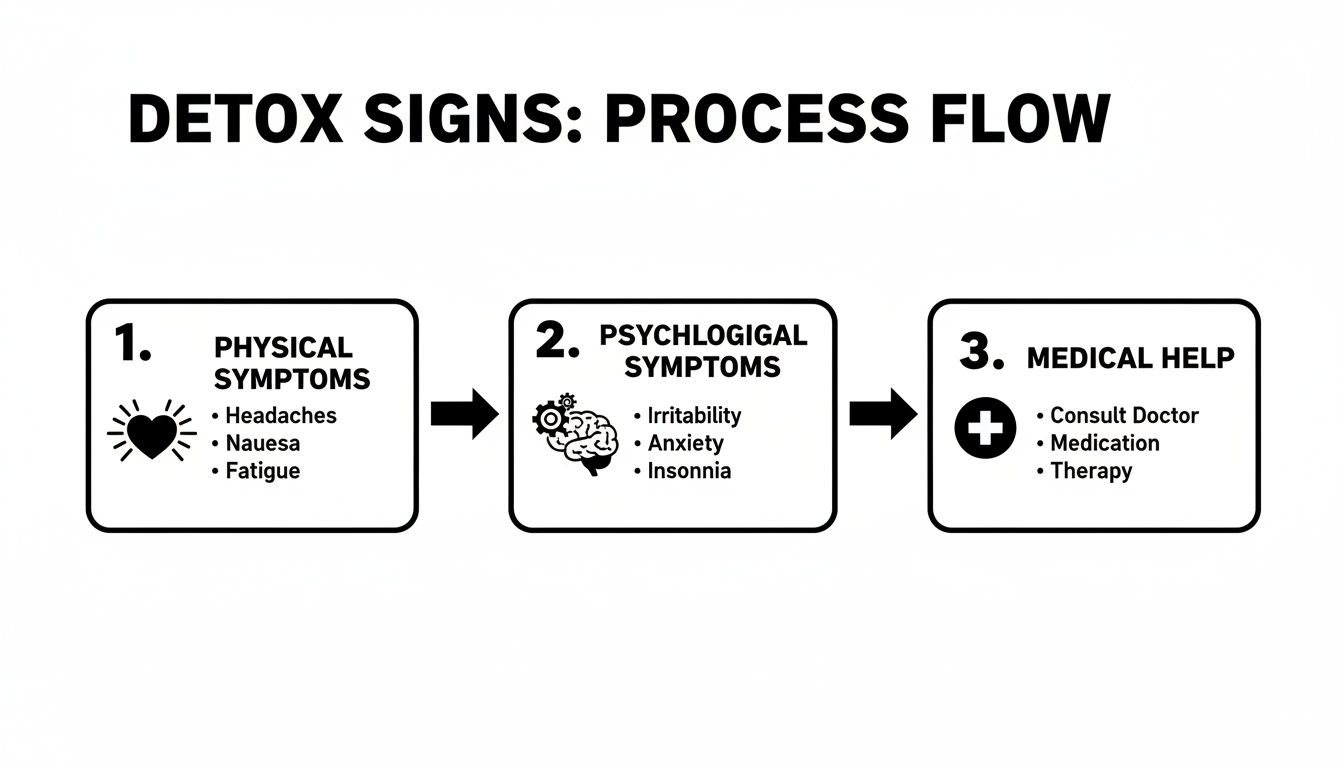
The decision to seek professional help often comes down to the specific substance used, the duration and frequency of use, and your personal health history. The point of looking for these signs isn't to diagnose yourself, but to know when it’s time to call in experts for your own safety.
When Withdrawal Can Become a Medical Emergency
For certain substances, withdrawal can escalate quickly from uncomfortable to life-threatening. This is especially true for alcohol and benzodiazepines.
- Alcohol Withdrawal: For a person who drinks heavily and daily, suddenly stopping can trigger Delirium Tremens (DTs), a severe condition involving confusion, agitation, high blood pressure, and potentially fatal seizures.
- Benzodiazepine Withdrawal: Abruptly stopping benzodiazepines (like Xanax or Klonopin) can also lead to seizures, severe psychosis, and overwhelming anxiety. Medical tapering and management are critical.
- Opioid Withdrawal: While opioid withdrawal (from fentanyl, heroin, or prescription painkillers) is rarely fatal, it is physically grueling. Intense flu-like symptoms can cause severe dehydration and other serious health complications without medical care.
Common Withdrawal Symptoms by Substance
| Substance | Common Physical Withdrawal Symptoms | Common Psychological Withdrawal Symptoms | Potential Dangers |
|---|---|---|---|
| Alcohol | Shaking/tremors, sweating, nausea, vomiting, headache, rapid heart rate, insomnia. | Anxiety, irritability, depression, nightmares, difficulty concentrating, severe confusion. | Seizures, hallucinations, delirium tremens (DTs), heart failure. |
| Benzodiazepines | Muscle pain/stiffness, tremors, sweating, heart palpitations, headache, nausea. | Extreme anxiety, panic attacks, paranoia, insomnia, psychosis, memory problems. | Grand mal seizures, suicidal thoughts, severe psychological distress. |
| Opioids | Muscle aches, cramps, runny nose, yawning, goosebumps, diarrhea, vomiting, fever. | Agitation, anxiety, depression, intense cravings, inability to feel pleasure (anhedonia). | Severe dehydration, electrolyte imbalance, risk of overdose upon relapse. |
| Stimulants | Extreme fatigue, increased appetite, slowed movements, intense cravings, body aches. | Severe depression, apathy, anxiety, paranoia, vivid and unpleasant dreams. | Suicidal ideation, severe depressive episodes, "crash" leading to prolonged inactivity. |
Signs That Professional Help Is Necessary
Physical dependence is the clearest sign you need professional support. If you feel sick, anxious, or unwell when you try to cut back or stop, your body has adapted to the substance.
Seek professional medical detox if:
- You experience shaking, sweating, or a racing heart when you don't use.
- You continue using primarily to avoid feeling sick.
- You have a history of seizures or significant health issues like heart problems.
- You have a co-occurring mental health condition like depression, anxiety, or PTSD.
- You have tried quitting on your own before, but withdrawal symptoms were too severe.
The need for safe withdrawal management has never been more urgent. The substance abuse treatment market continues to grow, reflecting the widespread need for effective care. For people with both a substance use disorder and a mental health condition, integrated care in detox is crucial for long-term success. You can read the full research about these market trends and treatment needs.
If this sounds familiar for you or someone you care about in Newport Beach, Costa Mesa, or Irvine, asking for help is a sign of strength.
The Medical Detox Process: What to Expect
Walking into a detox facility for the first time can be intimidating. Understanding the process can help reduce anxiety and allow you to focus on your health. The experience is designed to be predictable and structured, overseen by medical professionals to keep you safe.
A stay at a detox center in Newport Beach typically unfolds in three distinct phases: evaluation, stabilization, and preparation for the next steps in recovery.
Phase 1: Intake and Comprehensive Assessment
Your journey begins with a detailed, confidential intake process. The clinical team gathers a full picture of your situation to create a personalized care plan.
During this assessment, the medical staff will:
- Discuss your substance use history.
- Conduct a full physical exam and check vital signs.
- Review your overall medical history.
- Perform a psychological screening for co-occurring conditions like anxiety or depression.
This information helps the team anticipate risks during withdrawal and determine the most effective medications and therapies.
Phase 2: Medical Stabilization and Symptom Management
This is the core of medical detox. The primary goal is to help your body safely clear the substance while a team of nurses and doctors manages your withdrawal symptoms around the clock.
Depending on the substance and symptom severity, the team may use FDA-approved medications:
- For Alcohol or Benzodiazepine Withdrawal: Medications to prevent seizures and ease anxiety.
- For Opioid Withdrawal: Medications like buprenorphine (Suboxone) to reduce cravings and flu-like symptoms.
- For General Discomfort: Supportive medications for nausea, insomnia, or body aches.
The constant in this phase is 24/7 medical supervision, ensuring any change in your condition is handled immediately.
Phase 3: Transition Planning and Aftercare Preparation
As your body stabilizes and withdrawal symptoms fade, the focus shifts to what comes next. Lasting recovery requires addressing the root causes of addiction.
In this final phase, you’ll work with a case manager or counselor to create a plan for continuing care. This usually involves:
- Determining the right next step: Deciding if a residential program, a Partial Hospitalization Program (PHP), or an Intensive Outpatient Program (IOP) is the best fit.
- Connecting with treatment centers: Finding and connecting to appropriate rehab programs in Newport Beach or nearby areas like Costa Mesa or Huntington Beach.
- Providing essential resources: Leaving with referrals for therapists, local support groups, and other tools for long-term recovery.
This planning builds a bridge from medical stability to the deeper therapeutic work that facilitates healing.
Practical Examples: Navigating Your Path to Detox
Knowing the "what" and "why" of medical detox is one thing, but figuring out how to navigate the process is another. Here are real-world examples to make getting help in Newport Beach feel more manageable.

- If someone is shaking, sweating, or nauseous after stopping alcohol: They may need medical detox, not outpatient care. Their physical safety is the priority.
- If someone can’t stop using despite consequences but is medically stable: Residential or inpatient rehab may be appropriate to address the behavioral aspects of addiction.
- If someone has a job and family obligations with no severe withdrawals: An IOP in Newport Beach could provide structured care without requiring full-time admission.
Questions to Ask a Detox Center
When you call a facility, remember you are interviewing them. A reputable provider will welcome your questions.
- “Do you provide medical detox onsite or refer out?”
- “What does a typical day or week of programming look like?”
- “Is dual diagnosis treatment available for co-occurring mental health conditions?”
- “What insurance plans do you accept, and can you verify my coverage?”
- “What aftercare support and transition planning do you offer?”
What to Pack for Detox: A Checklist
Keep it simple. Most centers provide a specific list, but here are the basics for a 5- to 10-day stay:
- Comfortable Clothes: A week's worth of sweatpants, t-shirts, sweatshirts, and socks.
- Personal Hygiene Items: New, unopened, and alcohol-free toiletries (toothbrush, toothpaste, shampoo, deodorant).
- ID and Insurance Cards: Driver’s license, insurance card, and prescription card.
- Important Phone Numbers: A written list of key contacts.
- Reading Material: A book or magazines for downtime.
Leave valuables like jewelry, large amounts of cash, and laptops at home to maintain a focused, safe environment.
What Comes After Detox? Your Next Steps in Recovery
Completing medical detox is a massive accomplishment. It means your body is stable and free of substances. However, this is the starting line, not the finish line. Detox addresses the physical dependence; the next step is to address the psychological and emotional reasons behind the substance use.
The Continuum of Care
After detox, you will enter a "continuum of care," which describes the different levels of support available to match your needs as you progress. Programs in Newport Beach and Laguna Beach are designed to help you build healthy coping skills.
Common paths after detox include:
- Residential/Inpatient Treatment: You live at the center 24/7 for 30-90 days, engaging in structured individual and group therapy in a trigger-free environment.
- Partial Hospitalization Program (PHP): A step down from residential, you attend treatment for several hours a day, five days a week, and return home or to a sober living environment at night.
- Intensive Outpatient Program (IOP): This flexible option allows you to attend treatment for a few hours a day, 3-5 days a week, while maintaining work, school, or family commitments.
From Stabilization to Thriving
These programs help you move beyond stabilization toward personal transformation. In therapy, you will:
- Identify personal triggers and learn to navigate high-risk situations.
- Develop healthy coping skills for stress and anxiety.
- Address underlying mental health issues like depression or trauma.
- Repair relationships through healthy communication.
Your treatment team will help you decide which level of care is right for you based on your history, mental health, and home environment. Our collection of recovery resources can help you start building a support network in the Newport Beach area.
Finding a Medical Detox Program in Newport Beach
Choosing where to begin your recovery is a critical decision. The right facility treats every person with dignity and respect, adhering to the highest standards of care.
Key Factors to Evaluate in a Detox Center
When researching facilities in Newport Beach, Costa Mesa, or Huntington Beach, focus on these non-negotiable factors:
- Licensure and Accreditation: Ensure the facility is licensed by the State of California's Department of Health Care Services (DHCS) and accredited by bodies like The Joint Commission or CARF. This signals a commitment to patient safety and care quality.
- Qualified Medical Staff: A true medical detox requires licensed medical professionals on-site 24/7, including registered nurses (RNs) and a medical doctor. Ask about the staff-to-patient ratio and team credentials.
- Dual Diagnosis Capabilities: Addiction often co-occurs with mental health conditions like anxiety or depression. A center equipped to treat these co-occurring disorders simultaneously is vital for lasting recovery.
Verifying Insurance and Understanding Costs
A reputable treatment provider will make the insurance process transparent.
- Contact the Facility: The admissions team can run a confidential verification of your insurance benefits to clarify coverage.
- Ask About Costs: Inquire about out-of-pocket expenses like deductibles or copays to avoid surprises.
Making an informed choice empowers you to begin recovery with confidence. You can explore various levels of care available for addiction treatment to find the support that fits your unique situation.
FAQ: Answering Your Questions About Medical Detox
Making the decision to seek help brings up many questions. Here are answers to some of the most common ones.
How Long Does Medical Detox Usually Last?
The duration of medical detox varies based on the substance used, frequency of use, and individual health, but a typical stay is 5 to 10 days. The goal is to safely manage physical withdrawal symptoms to prepare you for the next phase of treatment, such as a residential or outpatient program.
Is Medical Detox Covered By My Insurance?
In most cases, yes. The Affordable Care Act (ACA) classifies mental health and substance use disorder services as essential health benefits, meaning most insurance plans provide coverage for medical detox. A facility's admissions team can verify your specific benefits to explain your coverage and any out-of-pocket costs.
Is It Safe to Detox at Home?
Detoxing at home without medical supervision can be dangerous. For substances like alcohol and benzodiazepines, abrupt cessation can lead to life-threatening complications, including seizures or delirium tremens. A professional medical detox facility provides 24/7 medical monitoring to ensure your safety and comfort.
Can My Family Visit or Call Me During Detox?
Facility policies vary. Many centers limit outside contact during the initial, most acute phase of withdrawal (typically the first 2-3 days) to allow you to focus on stabilization. After this period, most programs encourage family involvement through scheduled phone calls and visits, recognizing the importance of a strong support system.
What is the difference between detox and rehab?
This is a critical distinction.
- Detox is the first step, focusing on safely managing the physical symptoms of withdrawal under medical supervision.
- Rehab (or treatment) comes next. It addresses the psychological, behavioral, and emotional aspects of addiction through therapy and counseling to build a foundation for long-term recovery.
Detox stabilizes the body; rehab helps you build a new life.
Ready to explore your options? Compare licensed and accredited detox centers in Newport Beach and get a confidential insurance verification. Visit https://newportbeachrehab.com to take the next step.